
Mars
Curiosity Blog, Sols 4995-5001: 5,000 (Martian) Days on Mars
Written by William Farrand, Senior Research Scientist, Space Science Institute Earth planning date: Friday, Aug. 28, 2026 The span of sols spanned by…
NASA4d ago1 min read
Perseverance and Curiosity science returns, orbiter data, sample return politics, and the long argument over how humans finally get there.
Written by William Farrand, Senior Research Scientist, Space Science Institute Earth planning date: Friday, Aug. 28, 2026 The span of sols spanned by…
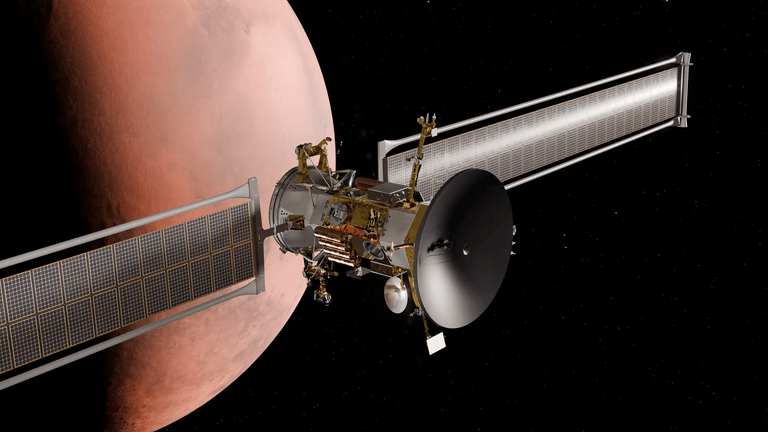
Blue Origin will design and launch the Mars Telecommunications Orbiter by the end of 2028.
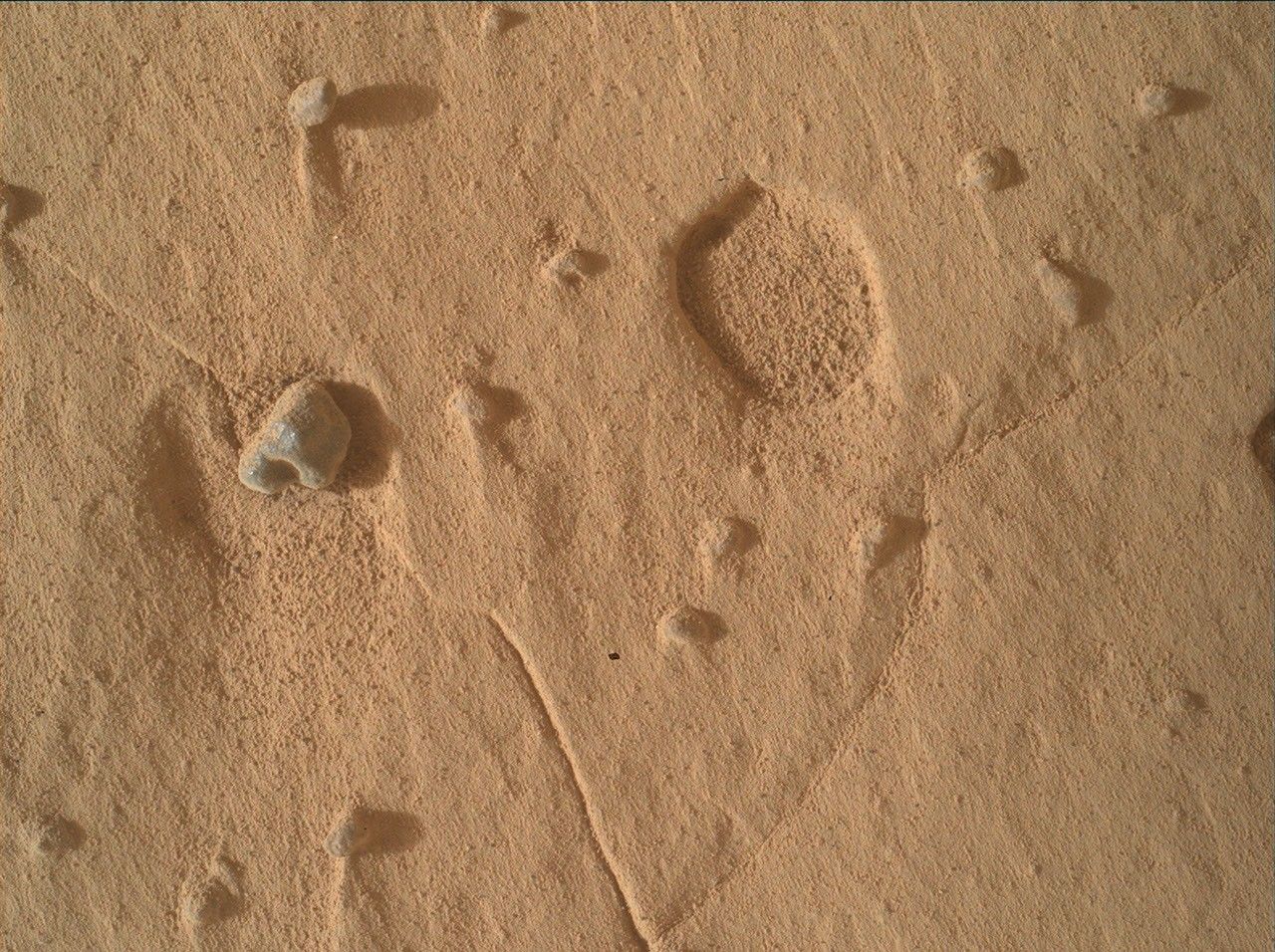
Written by Michelle Minitti, MAHLI Deputy Principal Investigator Earth planning date: Friday, Aug. 21, 2026 After Curiosity’s 14 years on the…
NASA awarded Blue Origin a contract Tuesday to develop the agency’s Mars Telecommunications Network, a next-generation communications system that…
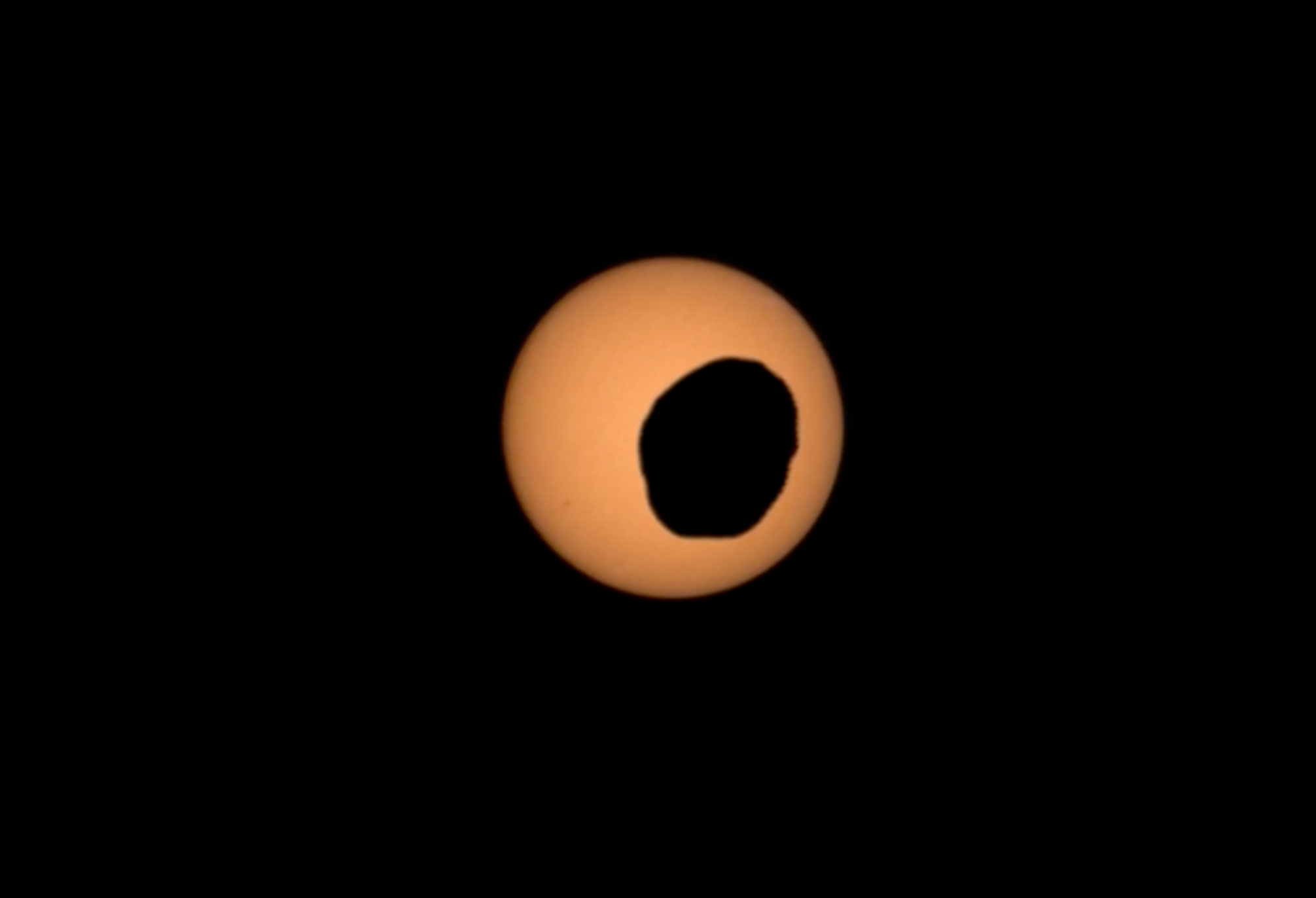
Description NASA’s Perseverance Mars rover used its Mastcam-Z camera to capture the silhouette of Phobos, one of the two Martian moons, as it crossed…
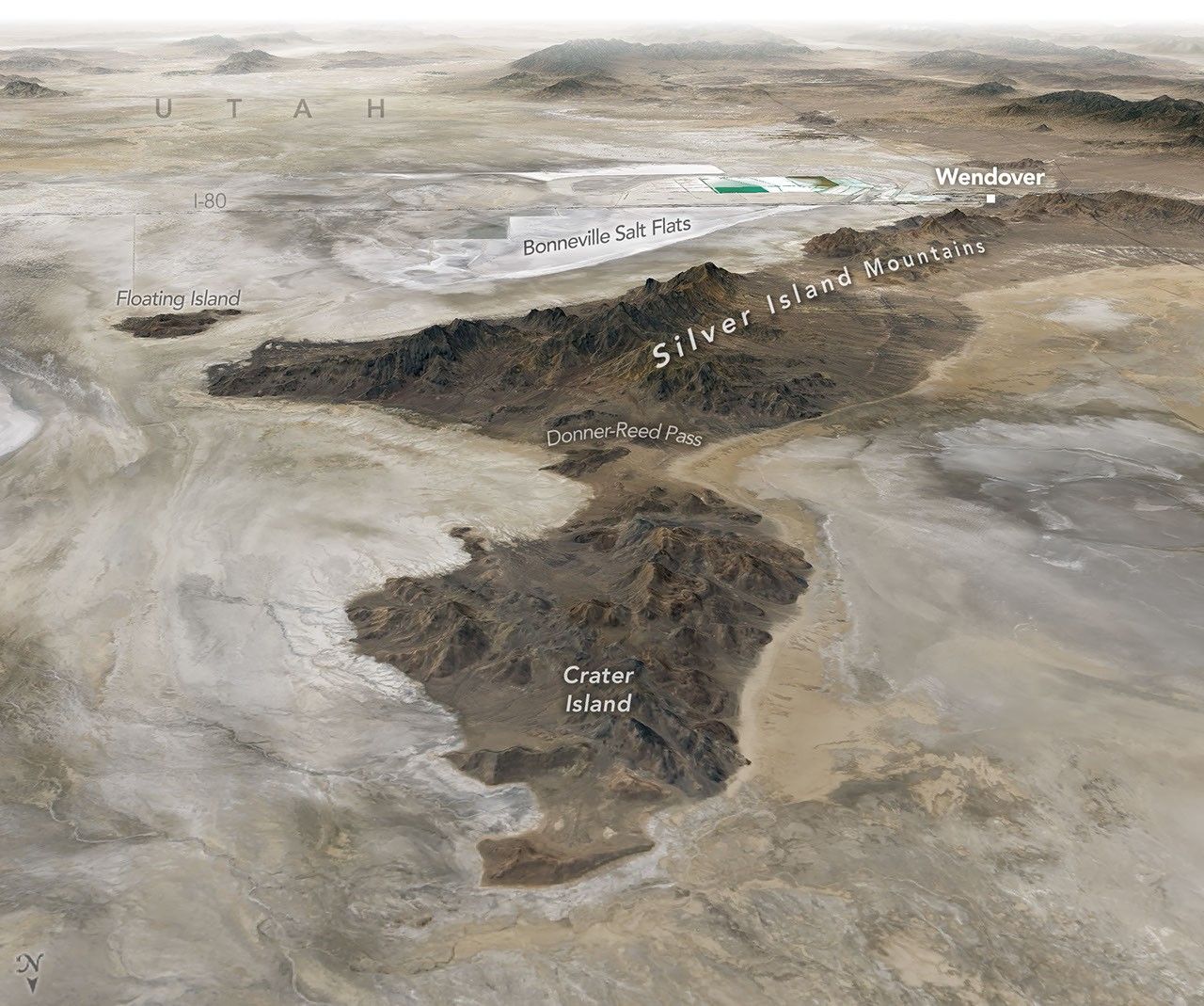
The drying of the massive lake exposed playas that became the setting for feats of engineering and technological ingenuity, as well as epic tales of…
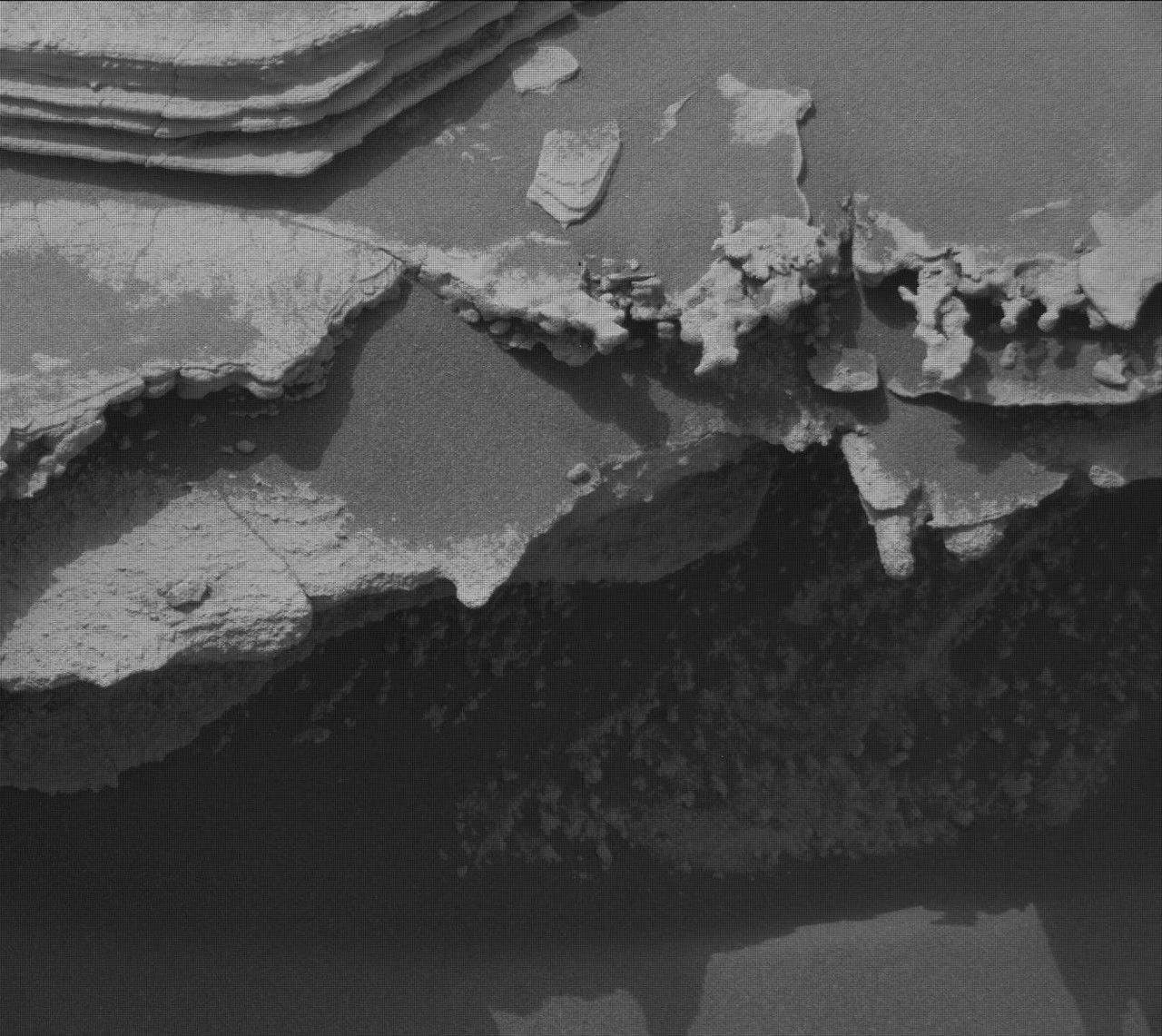
By Allison Dries-Padilla, Missions Operations Specialist at Malin Space Science Systems Earth planning date: Friday, Aug. 14, 2026 This week of…
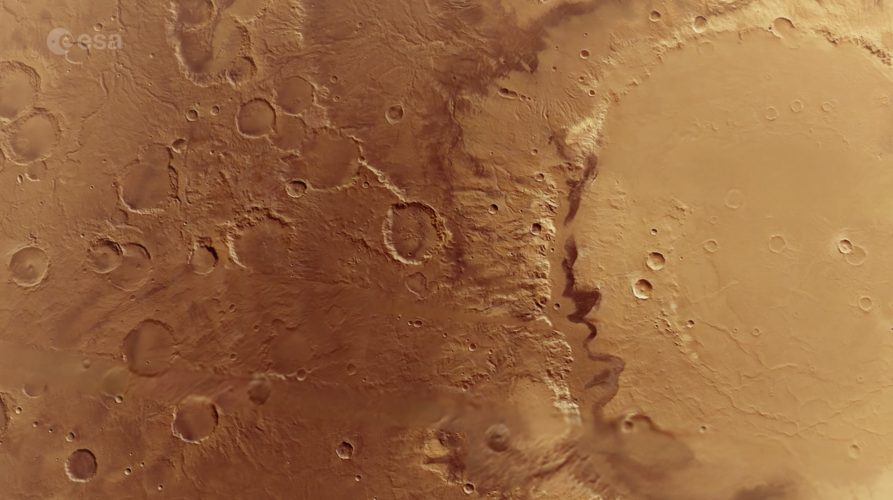
ESA’s Mars Express takes us on another mesmerising flight, this time around one of the biggest craters on Mars.
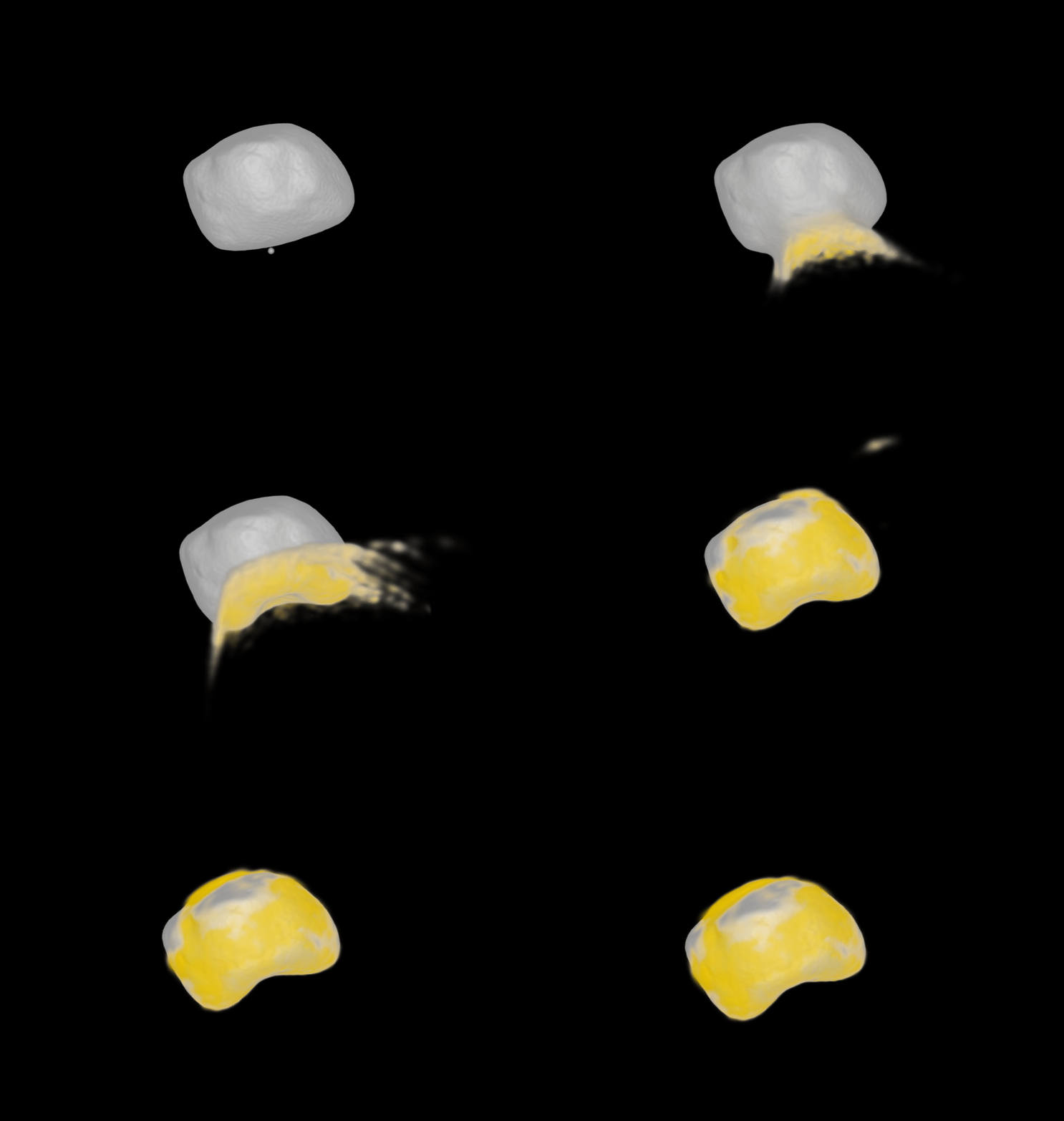

The experience gained from lunar missions will inform strategies for future human settlements on the red planet.
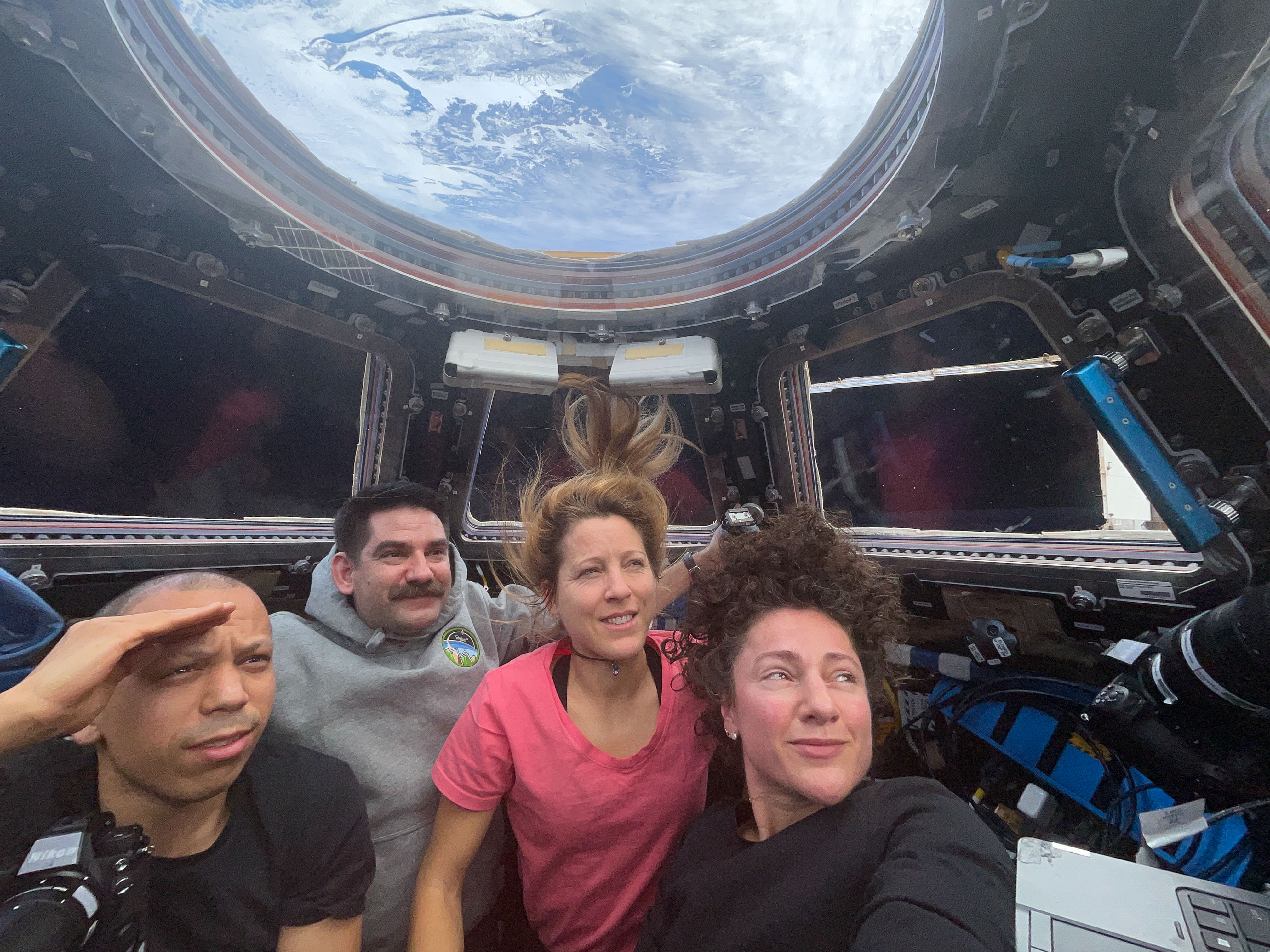
Research conducted on the space station aims to inform and improve the safety and efficacy of future deep space missions.
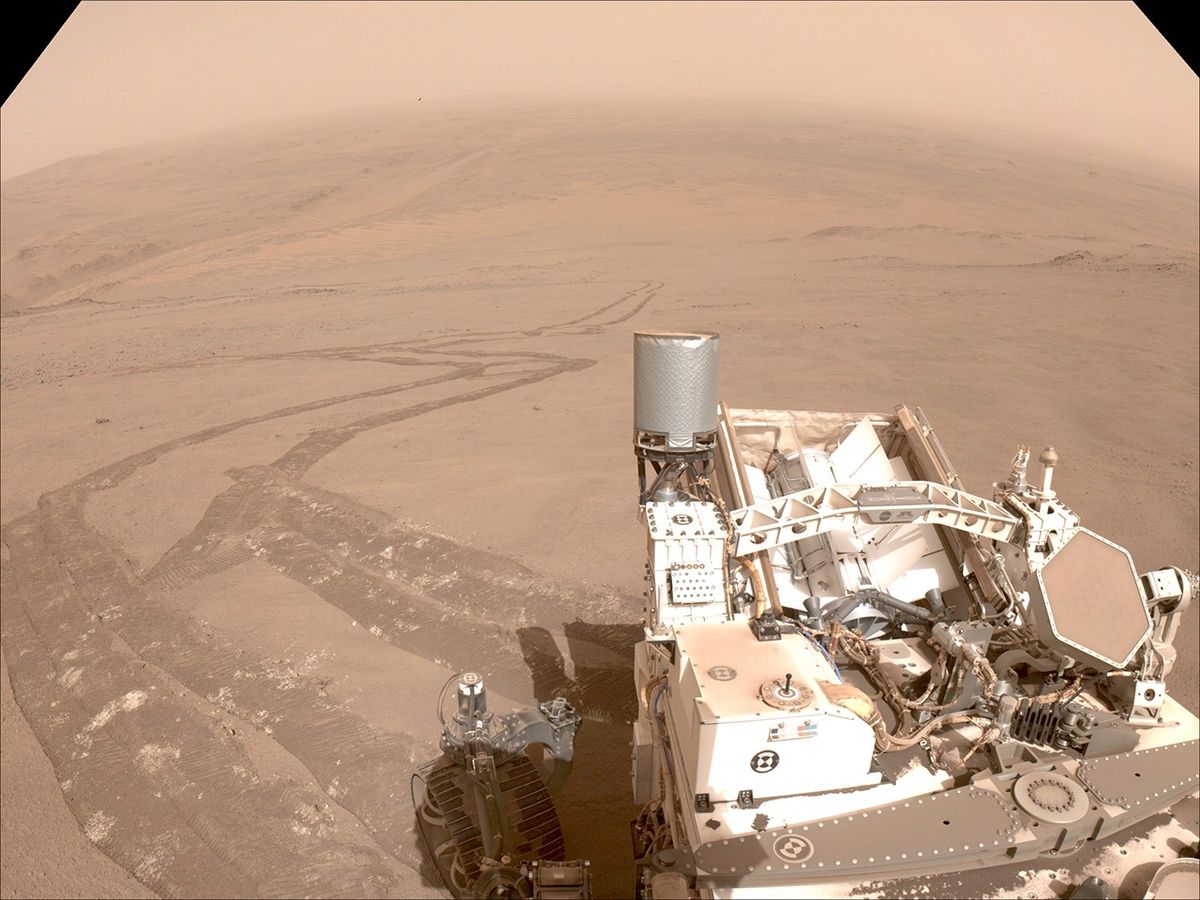
This milestone demonstrates significant progress in robotic navigation for future planetary exploration missions.

These helicopters will greatly enhance the agency's ability to survey Martian geology in future missions.

The Artemis program's accelerated pace relies on the coordination of multiple teams and external partners.

Historical insights from Viking 1 inform modern strategies for Martian terrain navigation and sampling
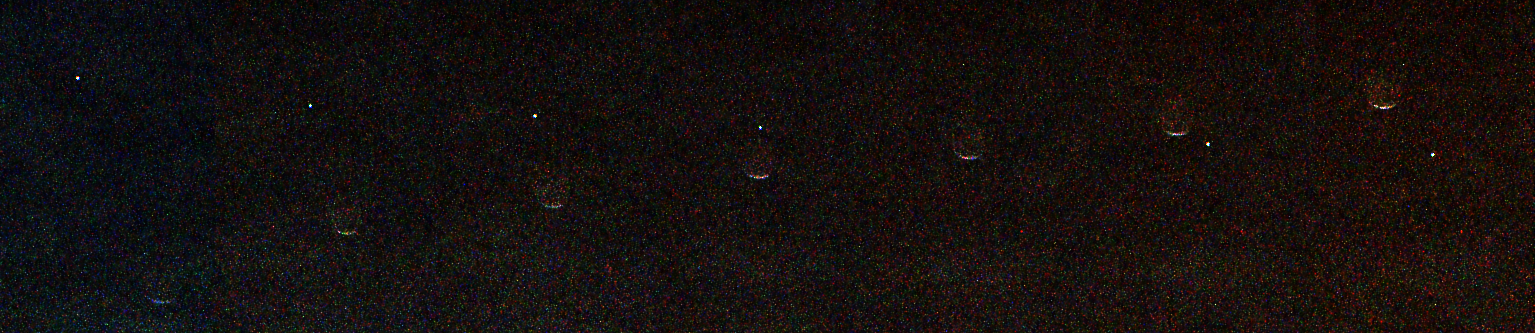
The alignment of Earth and Phobos provides scientists with a rare opportunity to study the Martian moon's orbit and composition.
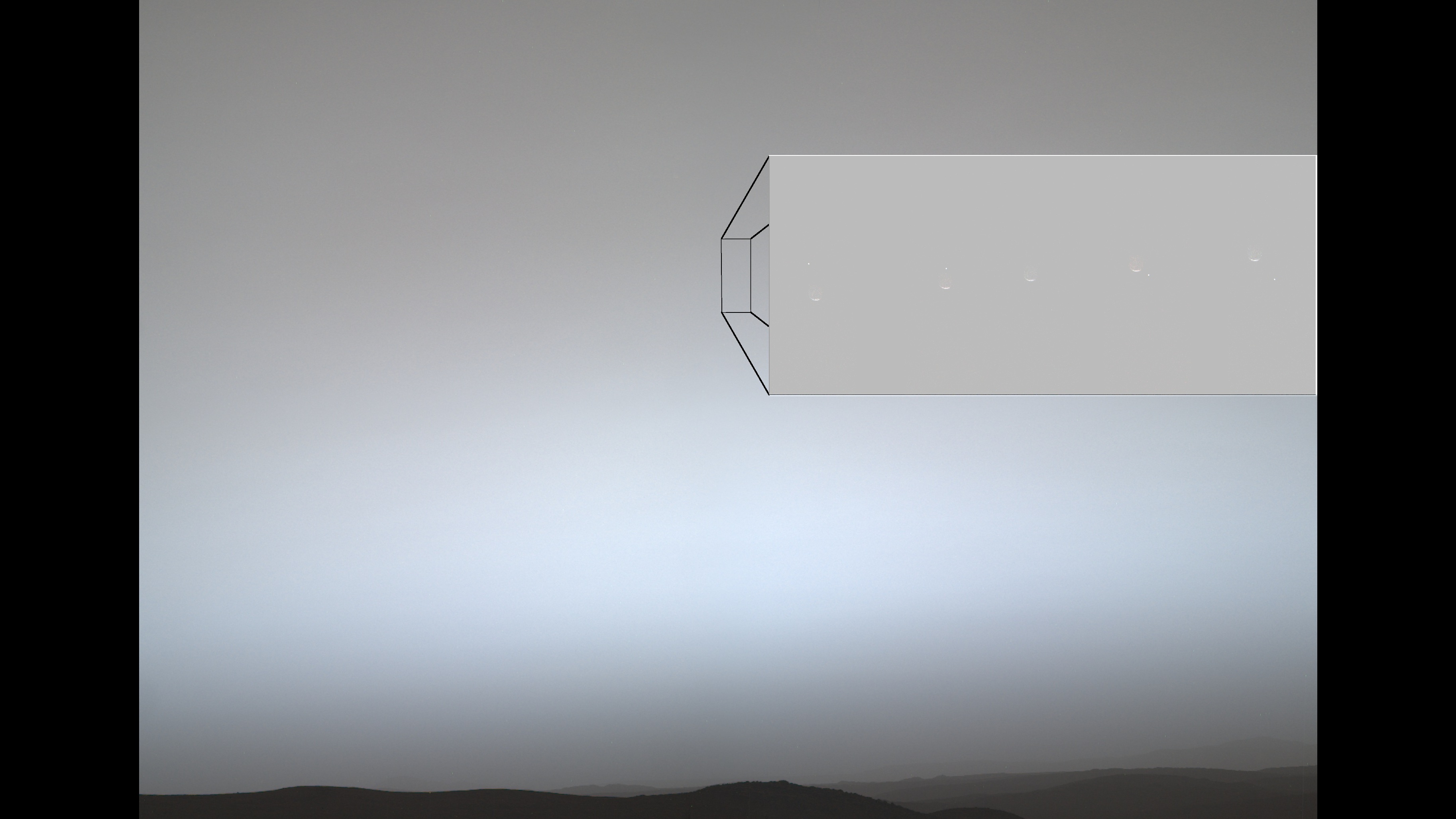
The observation provides scientists with a unique perspective on the alignment of celestial bodies in the Martian system.

The high estimated cost could impact NASA's future lunar exploration budget and scheduling priorities.
Get this beat, and everything else that matters, in one weekly email.