No-Go for Katalyst’s Reboost of NASA’s Swift Observatory
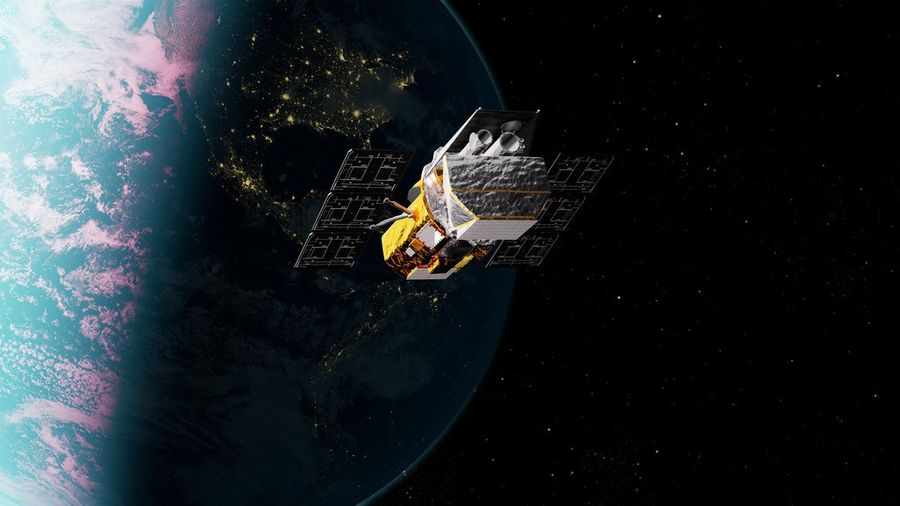
Katalyst Space and NASA concluded today that reboosting the Swift Observatory with Katalyst’s LINK spacecraft will not be possible due to attitude…
Eclipses, meteor showers, comets, planetary alignments, and observing guides for anyone who looks up.

Katalyst Space and NASA concluded today that reboosting the Swift Observatory with Katalyst’s LINK spacecraft will not be possible due to attitude…

Katalyst Space and NASA have called off plans to use the company’s Link spacecraft to raise the orbit of the agency’s Swift gamma-ray observatory,…

Due to an ongoing commercial spacecraft attitude control issue, NASA and Katalyst Space announced Wednesday the LINK spacecraft will not capture or…

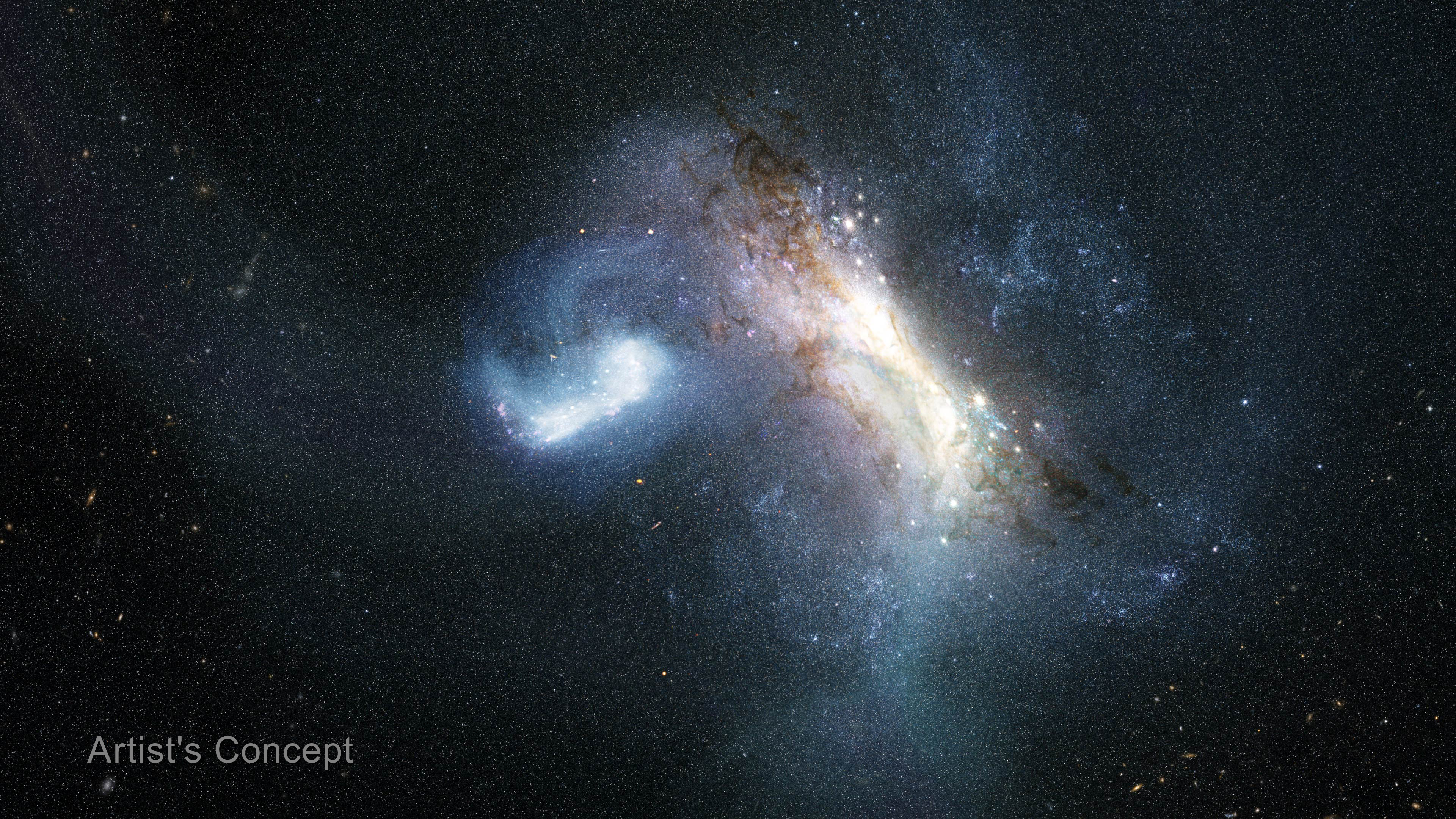
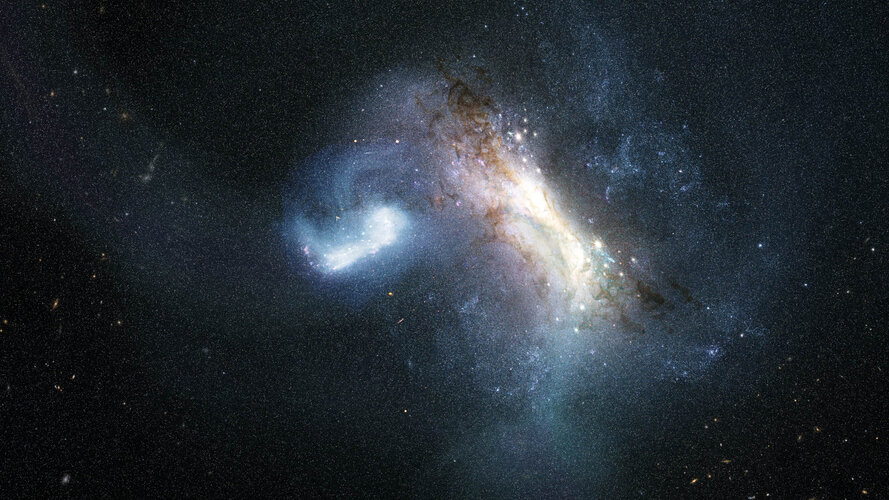
This artist’s concept, released on Aug. 17, 2026, depicts a collision between our Milky Way galaxy and a dwarf galaxy known as LKH that happened…

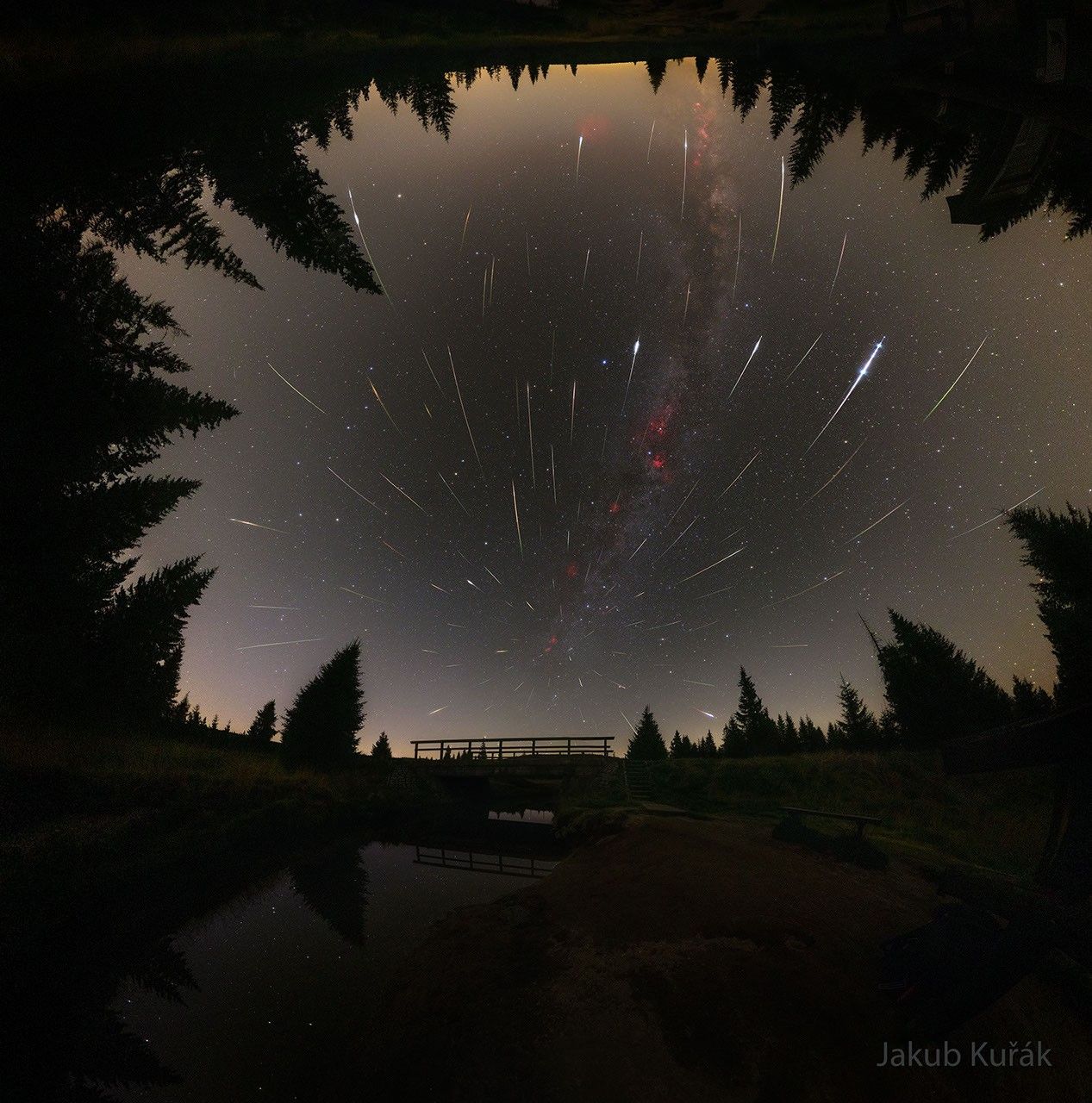
APODScienceAPODAPOD: 2026 August 18 –…Today’s APODArchiveSubmissionsIndexSearchCalendarRSSEducationAboutDiscuss APOD Astronomy Picture of the Day…

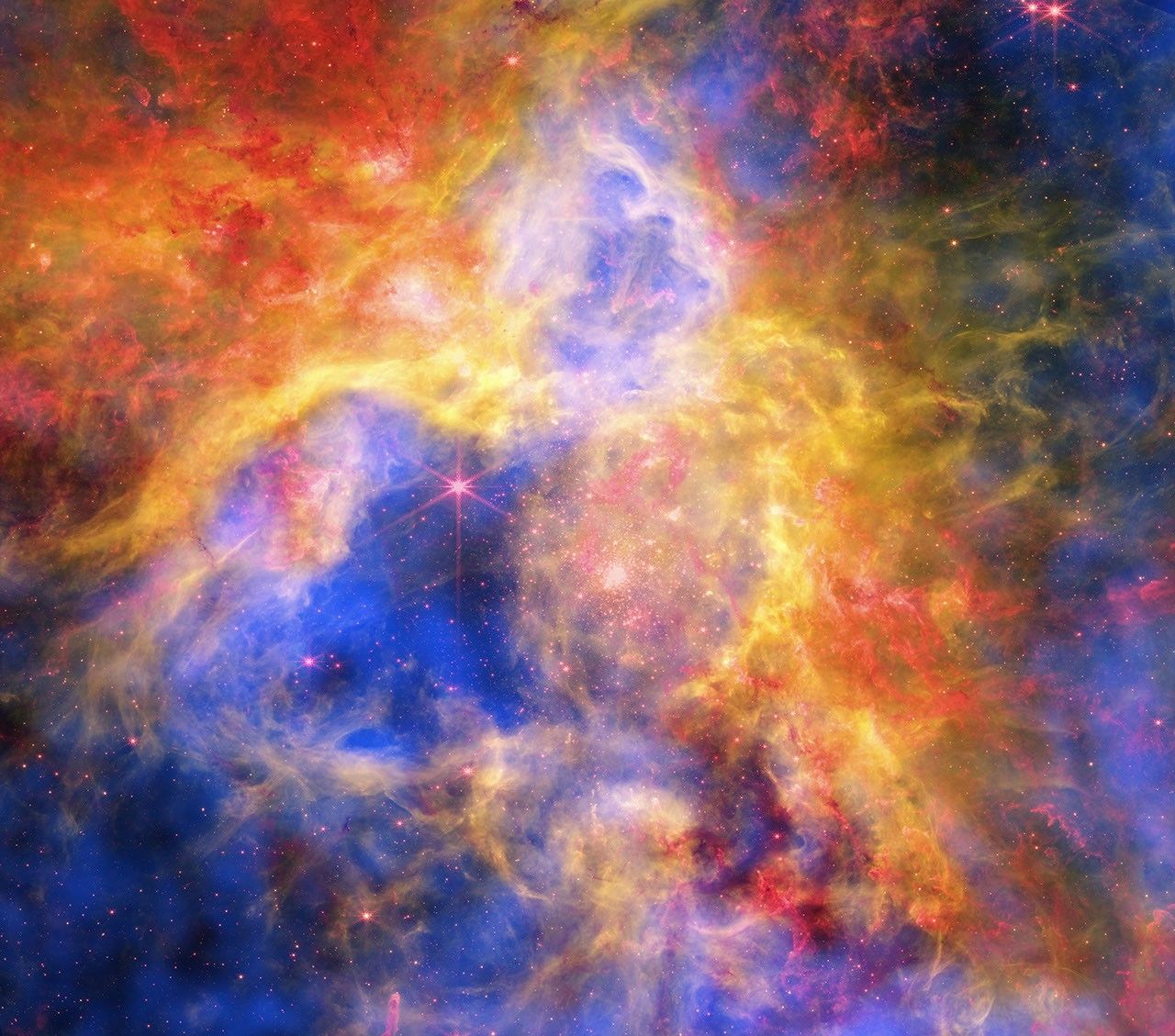
Data from NASA’s Chandra X-ray Observatory, NASA’s James Webb Space Telescope, and NASA’s Hubble Space Telescope combine to reveal a vibrant view of…

Our home galaxy, the Milky Way, grew to its current size in part by consuming smaller galaxies. Now, new data from the NASA/ESA Hubble Space…

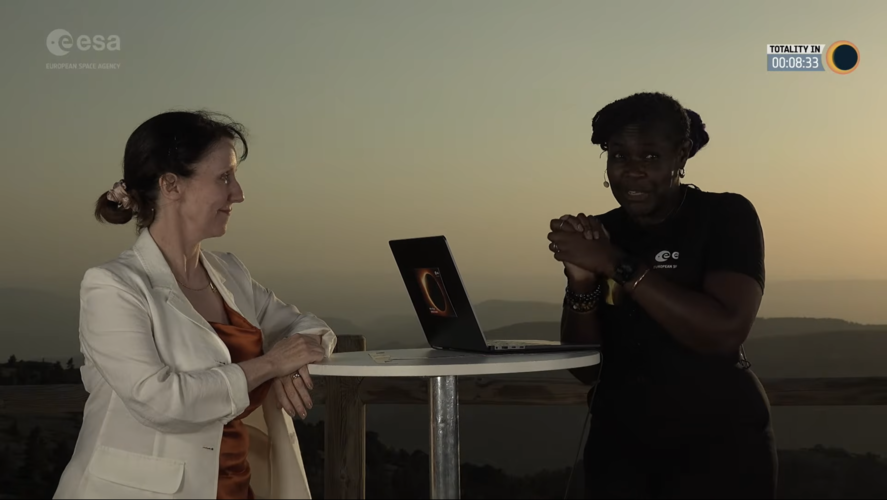
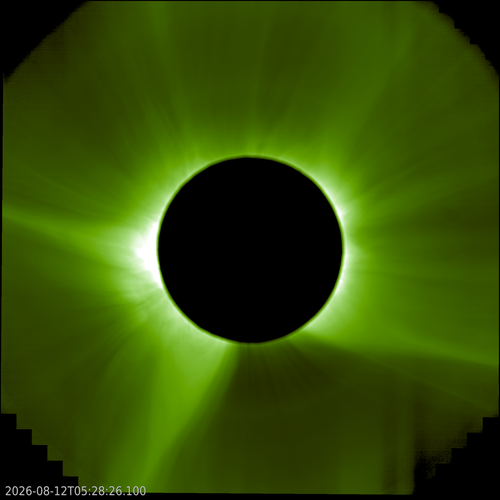
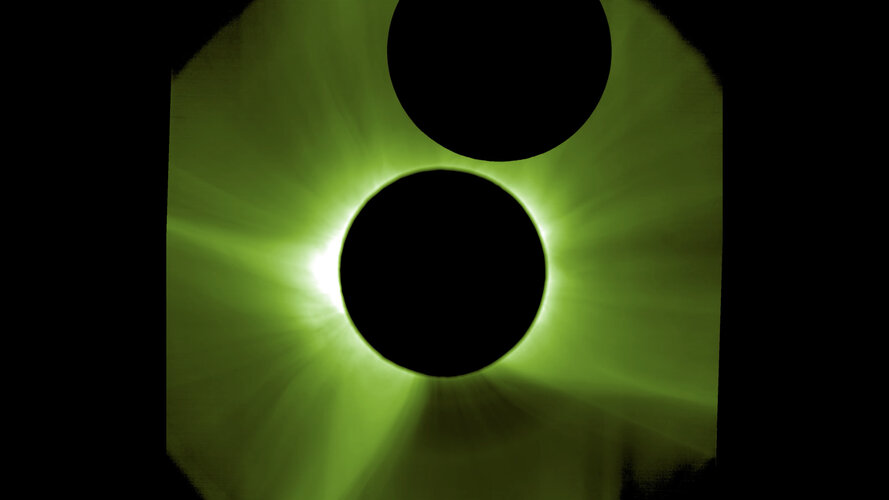
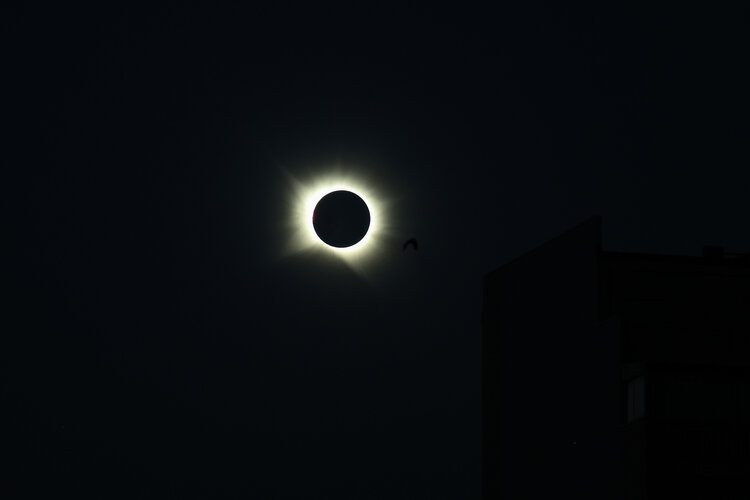
We broadcast live from the Observatorio Astrofísico de Javalambre in Spain as a total solar eclipse crossed Europe on 12 August 2026.

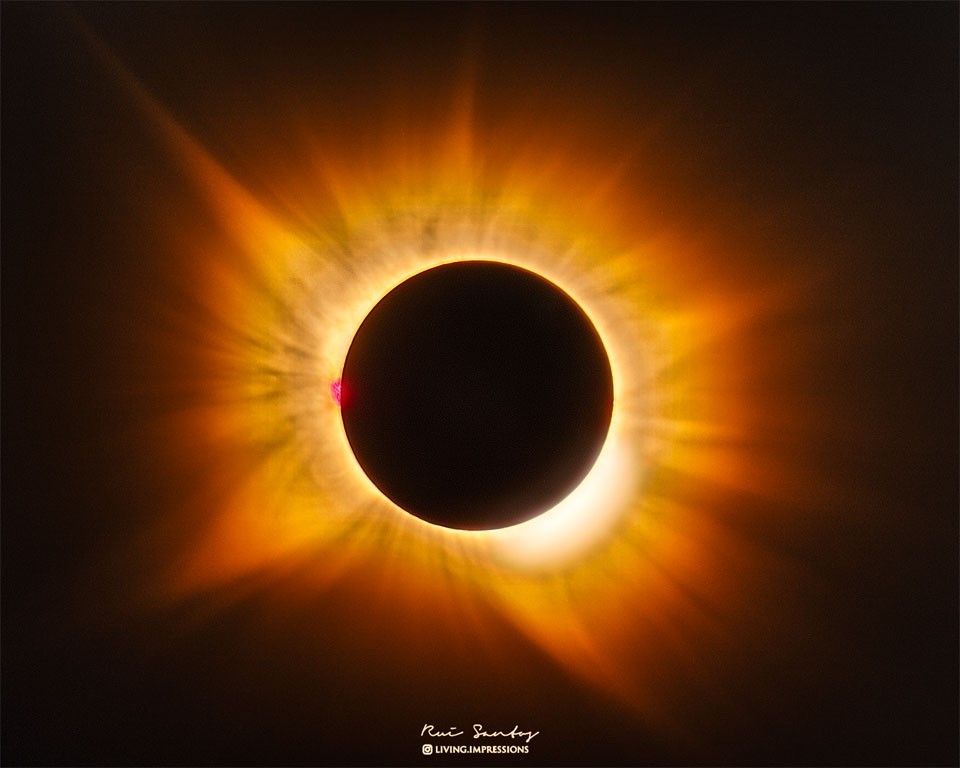
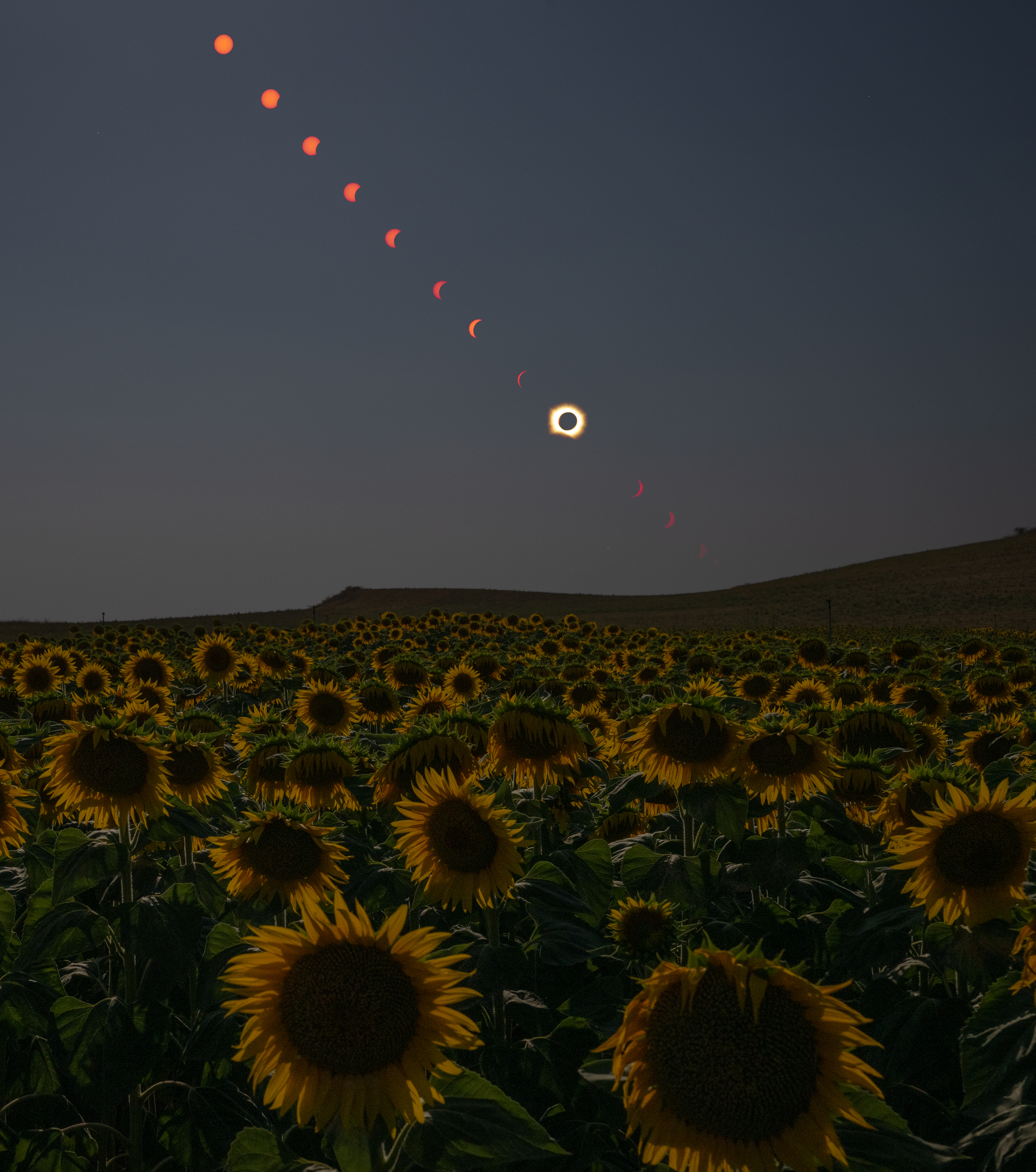
The featured image provides a unique perspective on a rare astronomical event.

This parallel development approach could accelerate the company's expansion into the commercial launch market.

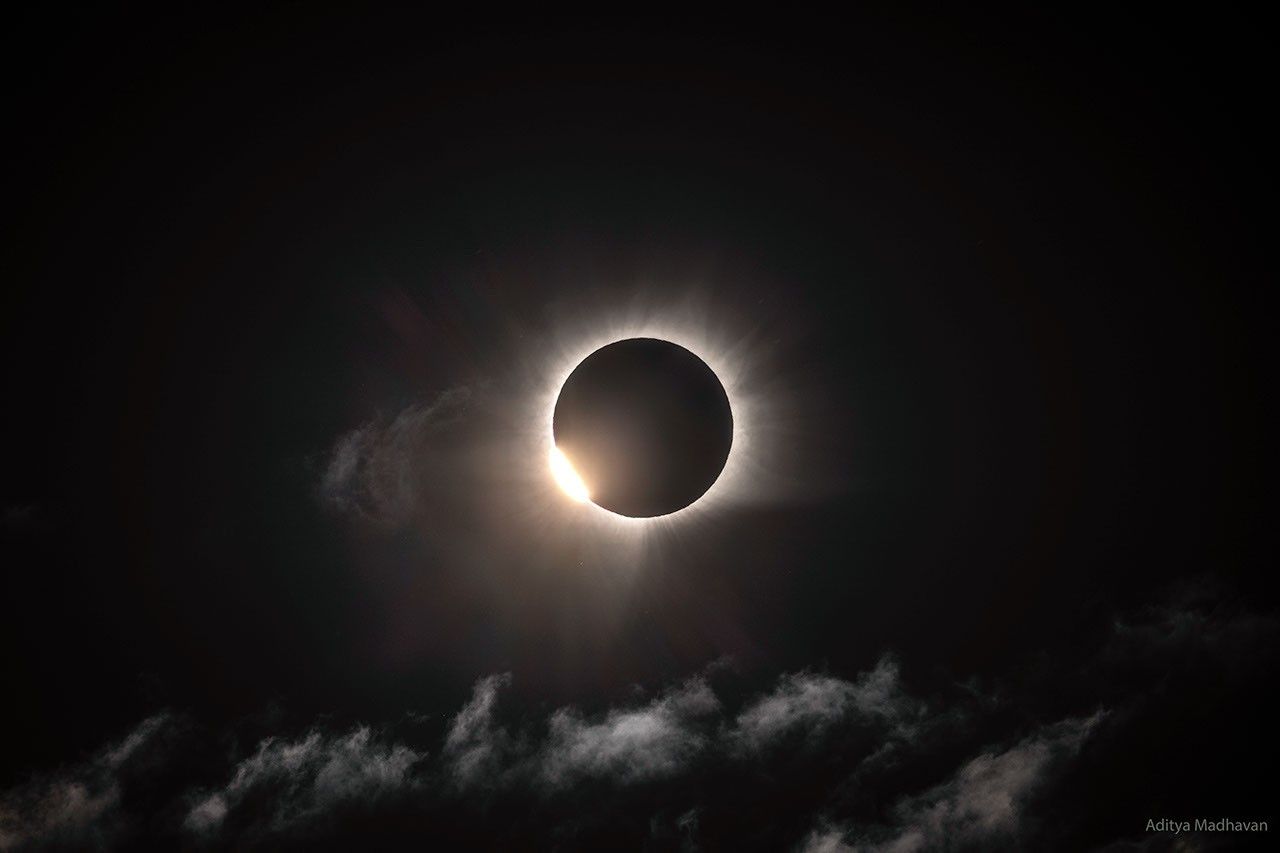
This rare astronomical event was visible from a narrow path across the northern hemisphere.

The event will provide a rare opportunity for scientific observation.

The unique event will be used to test the spacecraft's systems and performance.

The rare celestial event drew large crowds across Western Europe and the North Atlantic region.

This rare astronomical event is visible from a limited geographic area each time it occurs.

This year's display is expected to peak in mid-August with optimal viewing conditions.

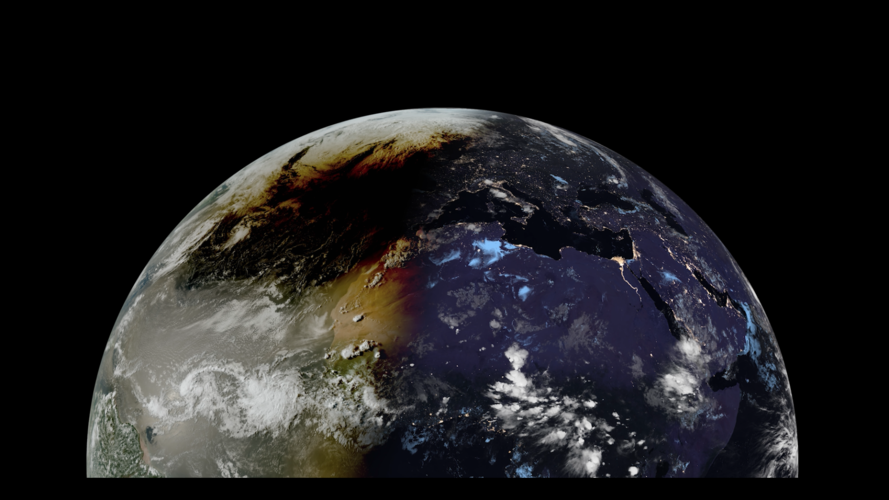
The unique view from geostationary orbit offers scientists a distinct perspective on atmospheric conditions during the eclipse.

This rare event will be visible to observers in a narrow path across western Europe and northern Africa.
Get this beat, and everything else that matters, in one weekly email.