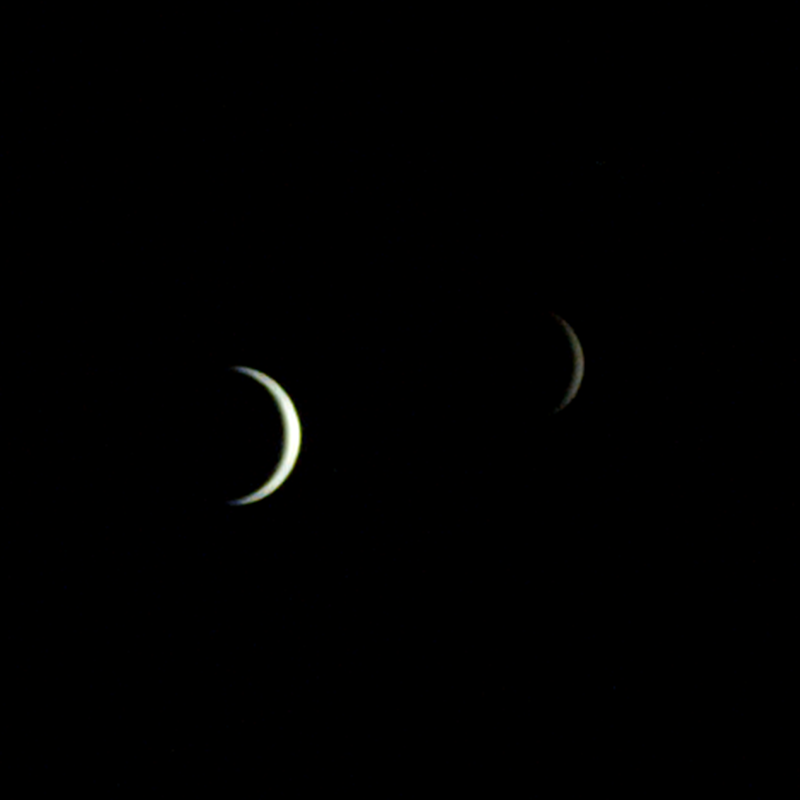
On July 3, one of NASA’s two Mars-destined ESCAPADE (Escape and Plasma Acceleration and Dynamics Explorers) spacecraft captured photos of Earth and the Moon in visible and thermal infrared light. At the time, the spacecraft was 363,250 miles (584,600 kilometers) from Earth and 115,600 miles (186,100 kilometers) from the Moon, making the Moon appear relatively […]
Continue at NASA
Overseex summarises and files this story. The reporting itself belongs to NASA.
Keep up with what matters
One email a week with the stories worth your time.
Related coverage

NASA Welcomes Djibouti as Newest Artemis Accords Signatory
1h ago1 min read
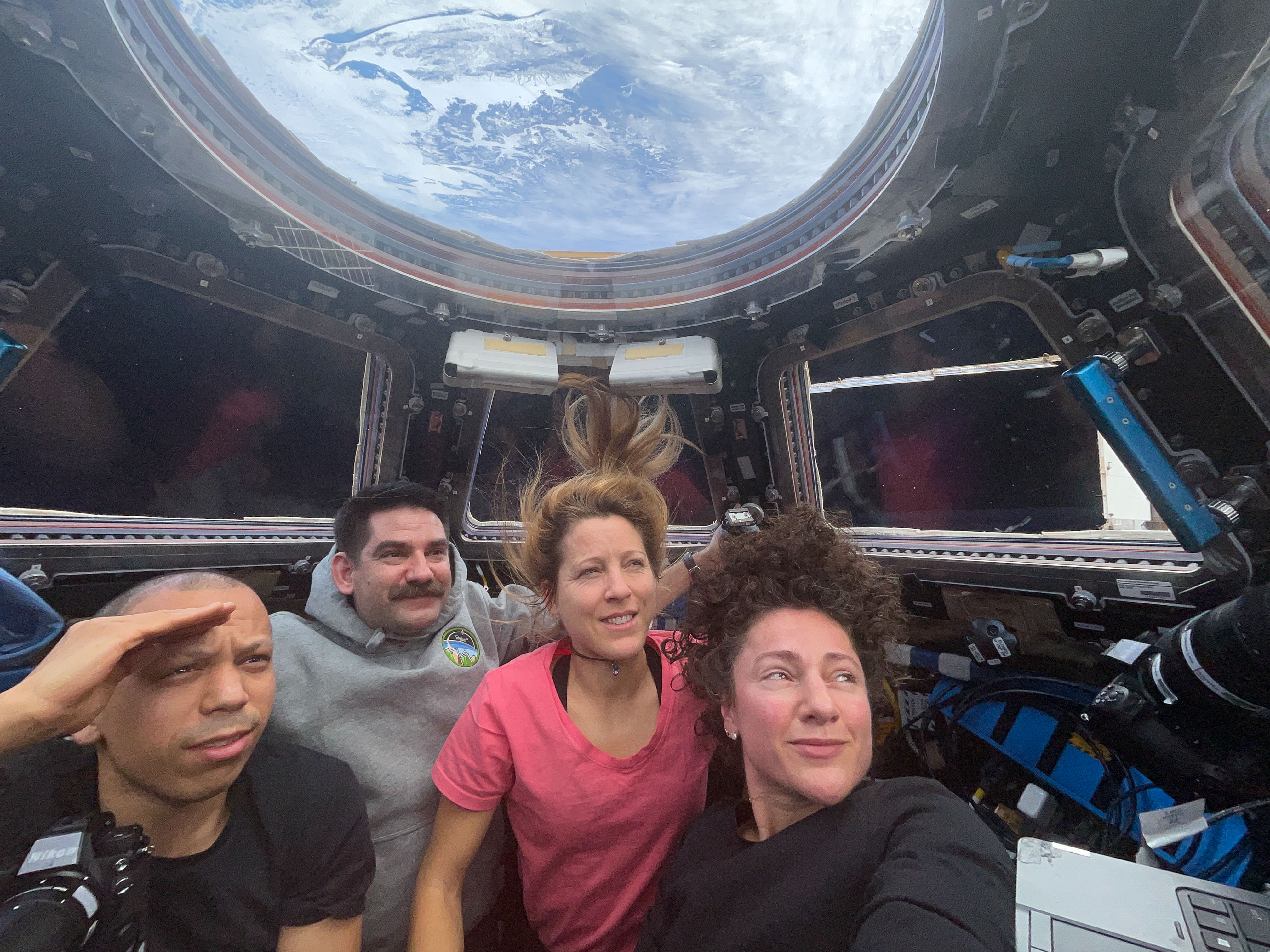
NASA Shares Station Research Today Supporting Moon, Mars Tomorrow
Research conducted on the space station aims to inform and improve the safety and efficacy of future deep space missions.
11 Aug 20261 min read

I Am Artemis: Tom Percy
The Artemis program's accelerated pace relies on the coordination of multiple teams and external partners.
6 Aug 20261 min read