
As NASA’s Curiosity rover recently began climbing up a Martian valley nicknamed “Valle Grande,” it sent back images that were a familiar sight to mission scientists: honeycomb-like textures called polygonal fractures, each one about 1.5 to 3 inches (4 to 8 centimeters) across. The mission has spotted small patches of these geometric shapes several times […]
Continue at NASA
Overseex summarises and files this story. The reporting itself belongs to NASA.
Keep up with what matters
One email a week with the stories worth your time.
Related coverage

Blue Origin Nets NASA Mars Orbiter Contract
1w ago1 min read

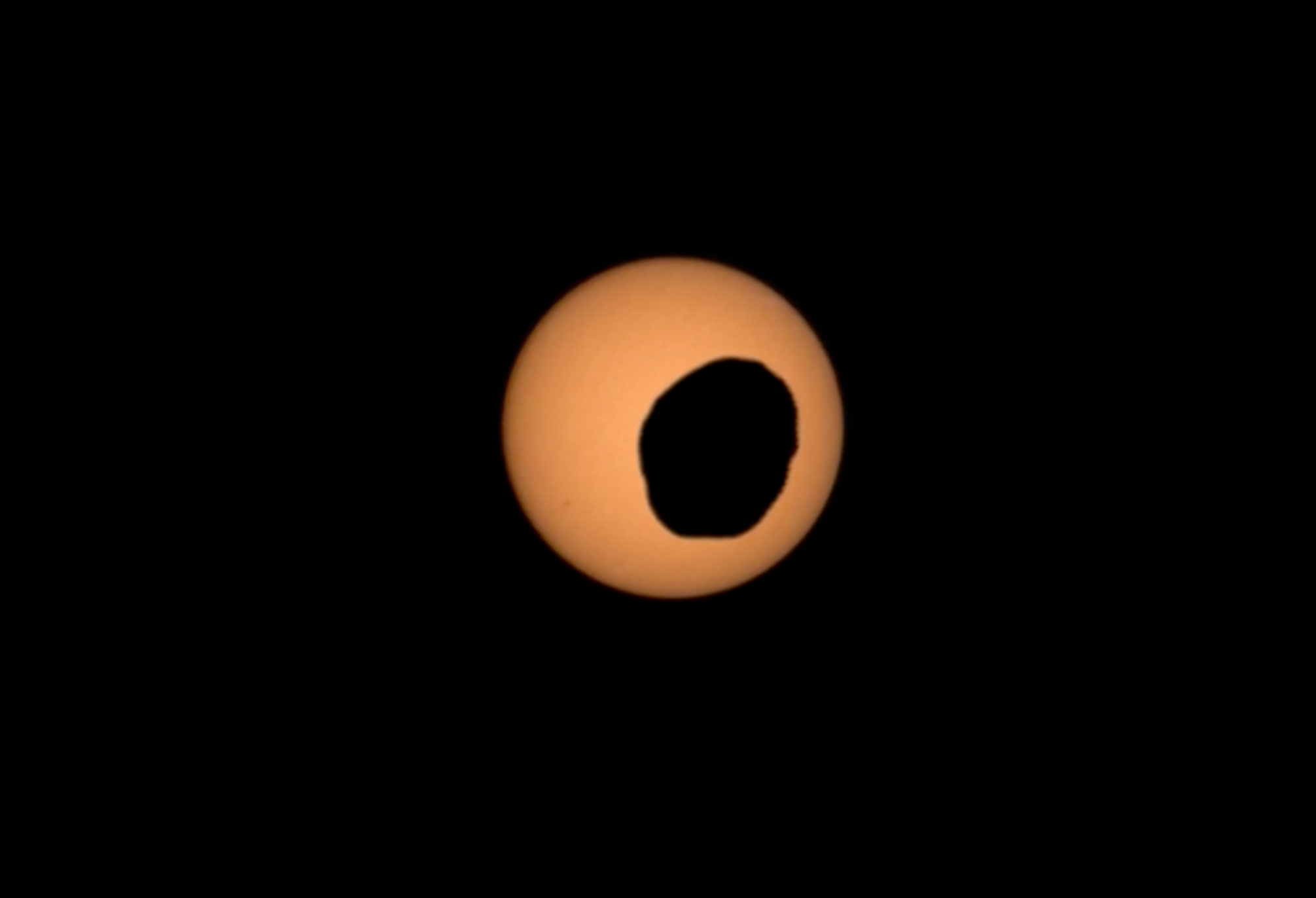
Perseverance Captures Another Phobos Transit
2w ago1 min read