How ESA mimics and models the 2026 total solar eclipse
Scientists are preparing to study the rare event using advanced simulations and modeling techniques.
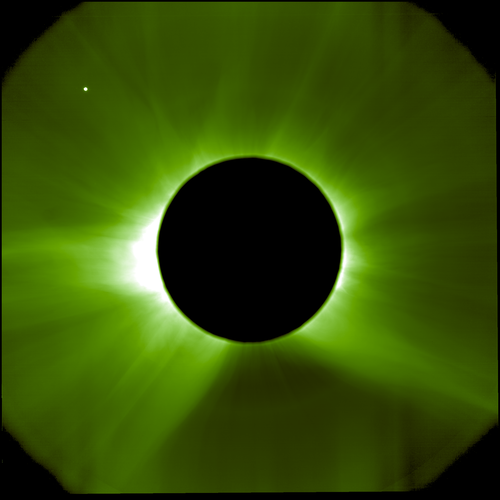
On 12 August 2026, parts of Europe will experience a total solar eclipse. With the Sun's bright disc covered, its surrounding atmosphere – the solar corona – will become visible to the naked eye. Unfortunately, total solar eclipses are rare and last at most a few minutes, giving scientists little time to study the Sun’s enigmatic halo.
Overseex summarises and files this story. The reporting itself belongs to ESA.
Keep up with what matters
One email a week with the stories worth your time.
Related coverage
Lion Nebula Roars to Life With NASA’s Webb
The latest observations provide a unique comparison with previous Hubble Space Telescope data from 2000.
Lion Nebula roars to life for Webb
Newly captured infrared images reveal intricate details of the nebula's structure and composition.

Katalyst Space makes progress in restoring control of Swift servicing spacecraft
Successful recovery would enable the spacecraft to continue its mission to extend the lifespan of NASA's Swift observatory.