Dust and water spotted close to giant black hole
These findings have implications for understanding the complex interplay between black holes and star formation in galactic centers.
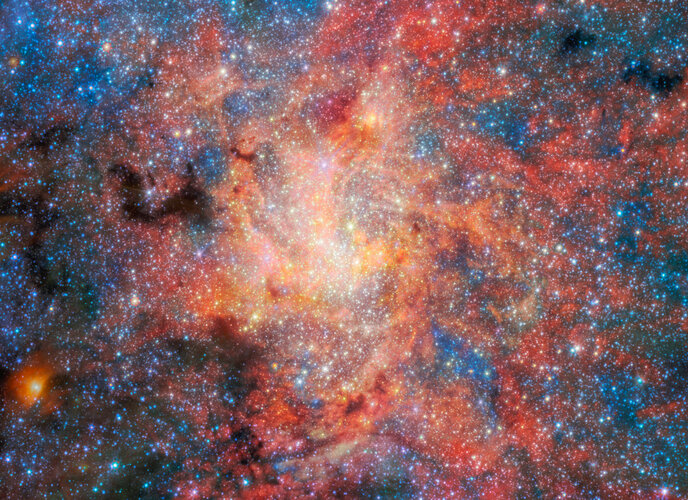
Using the NASA/ESA/CSA James Webb Space Telescope, an international team of astronomers have discovered that dust and water can form and survive surprisingly close to the supermassive black hole at the centre of our Milky Way galaxy. The observations reveal that the evolved star IRS 3 continues to enrich its surroundings with newly formed material despite the intense radiation environment around Sagittarius A*.
Overseex summarises and files this story. The reporting itself belongs to ESA.
Keep up with what matters
One email a week with the stories worth your time.
Related coverage
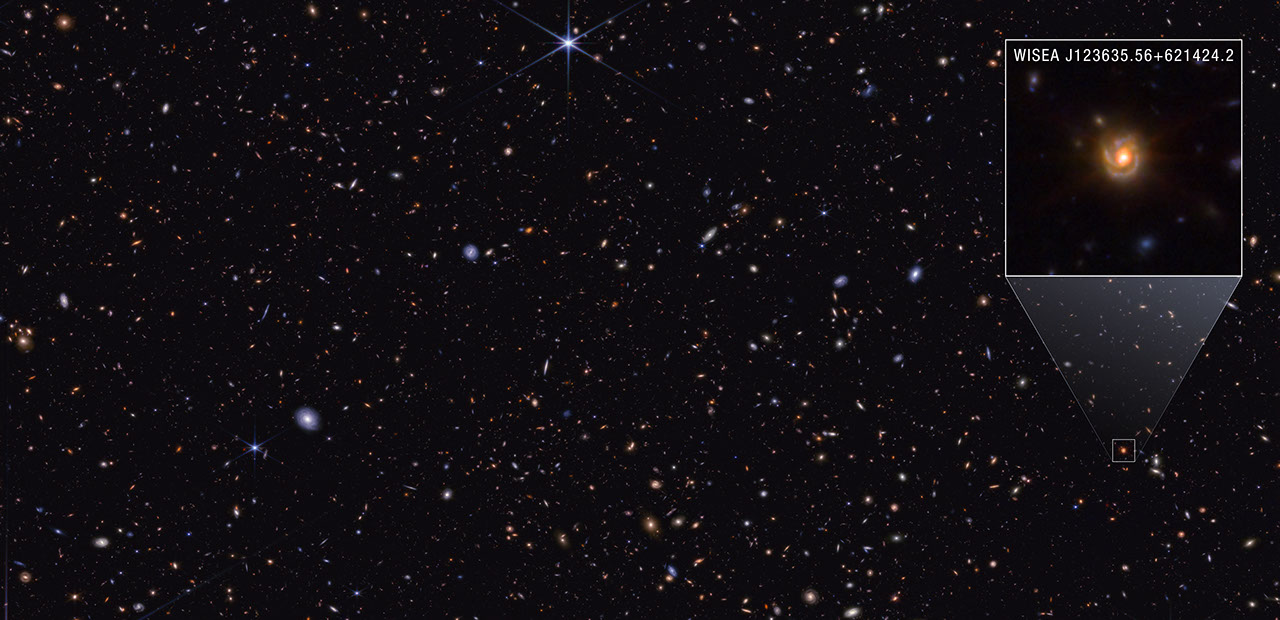
NASA Webb Explores Family Tree of Newly Discovered Distant Objects
Research on these distant objects may shed light on the early formation of galaxies in the universe.
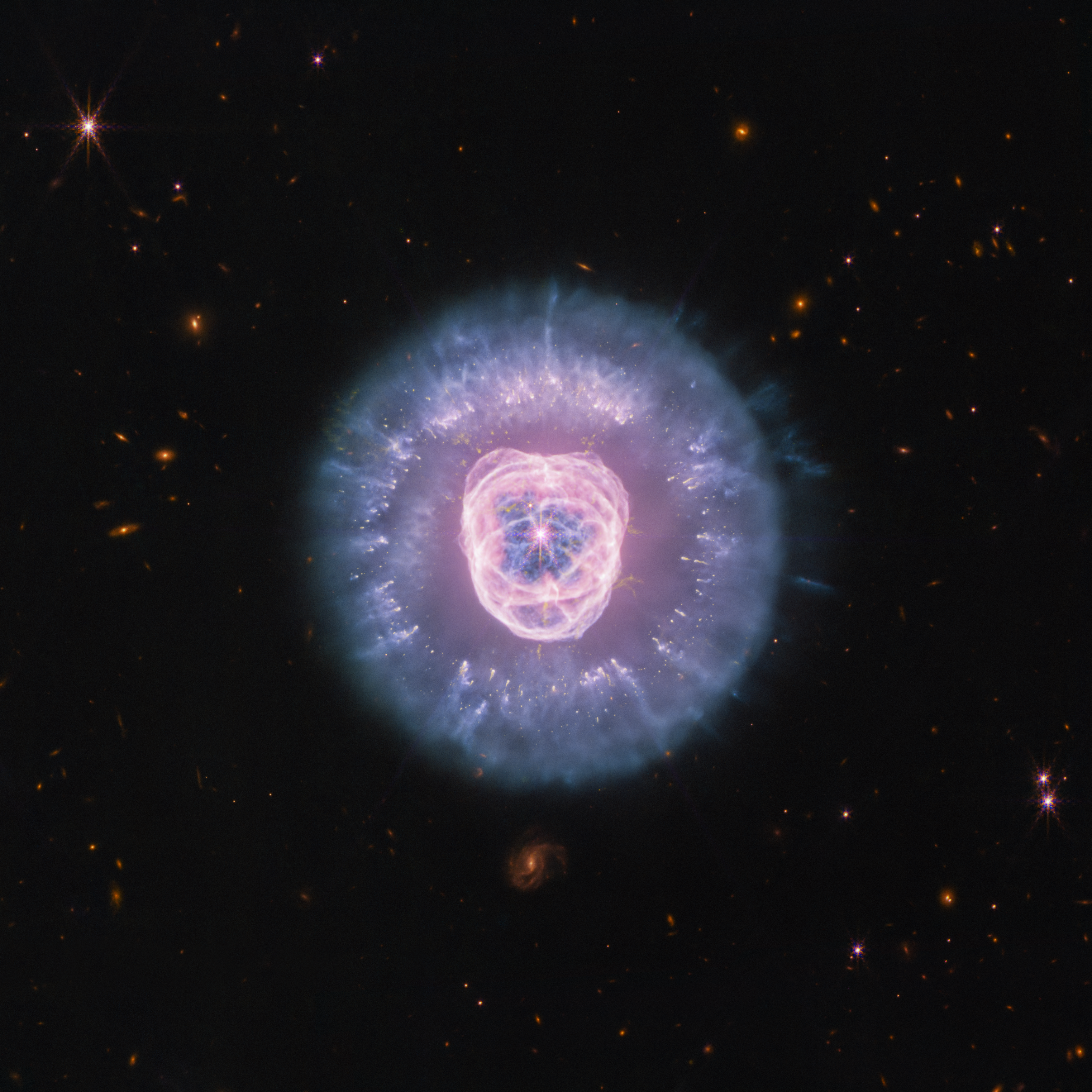
Lion Nebula Roars to Life With NASA’s Webb
The latest observations provide a unique comparison with previous Hubble Space Telescope data from 2000.
Lion Nebula roars to life for Webb
Newly captured infrared images reveal intricate details of the nebula's structure and composition.